From Haiti to Dominica: Yves Joseph’s Journey Shows How Labour Migration Fuels the Blue and Green Economy
International Migrants Day – December 18, 2025
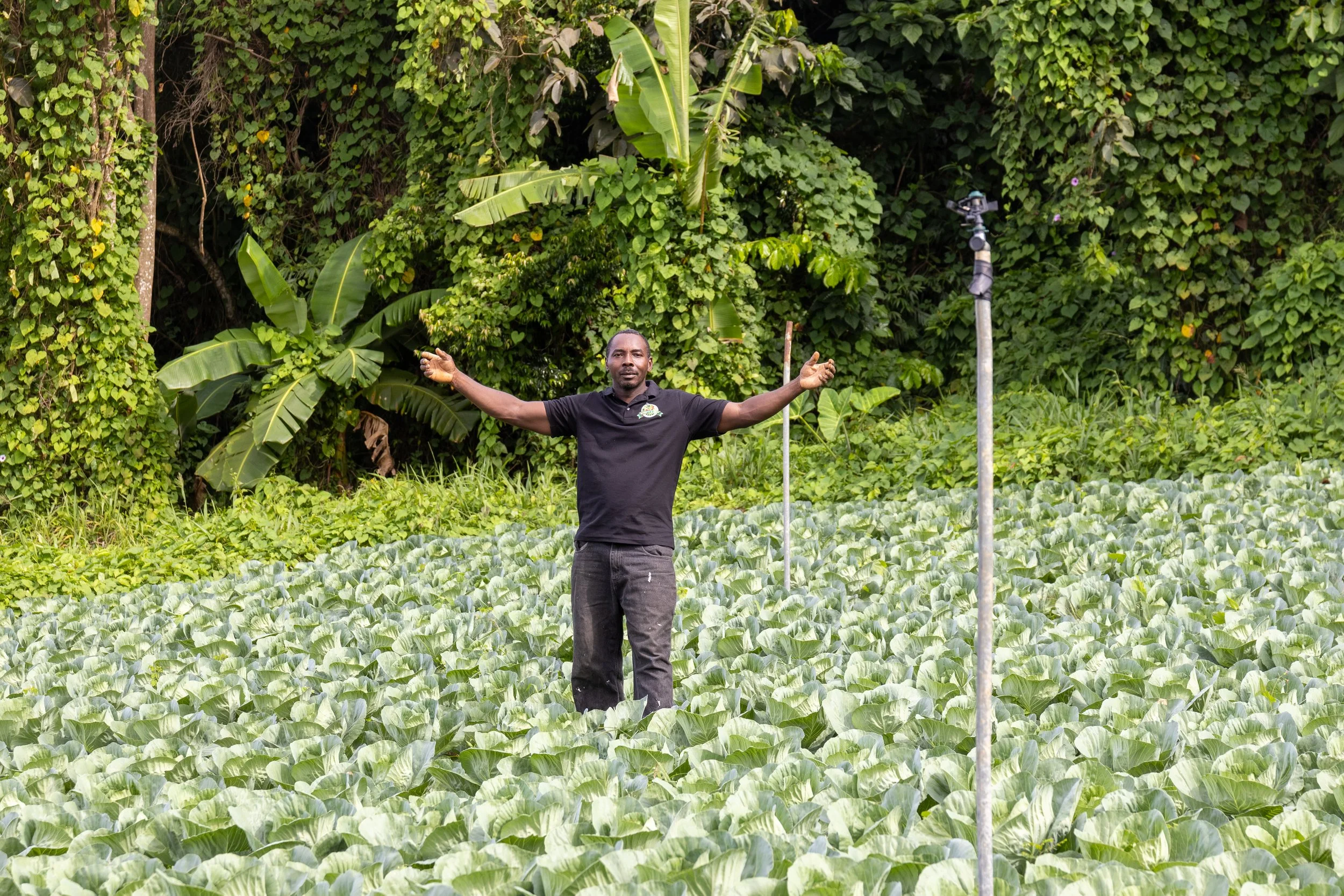
Yves Joseph stands in a field of organic cabbage. Photo by: Allton Belleau / IOM Dominica
Before dawn breaks, Yves Joseph walks the land he now calls home—a hillside in Grange, Portsmouth, rich with soft volcanic soil, spring-fed water, and the quiet calm of Dominica’s interior. He came for love. He stayed because he found belonging. And his journey from Haiti to the Nature Island is not only a love story, but a powerful reminder of how migration helps keep nations fed.
Yves did not set out to migrate. He came in 2006 for a simple visit, following his wife—a Dominican he met while studying agriculture in Cuba. But from the moment he set foot on the Nature Island, he felt something many migrants still struggle to find around the world: welcome.
“Dominica accepted me,” he recalls. “I embraced here as my second home.”
Today, nearly 20 years later, his contribution to Dominica’s agriculture sector highlights the indispensable role that migrant workers and migrant knowledge play in building resilient food systems and advancing the Blue and Green Economy. Yves Farm, Joseph’s Best Eco Produce is a farm built with love, discipline, and deep respect for the land.
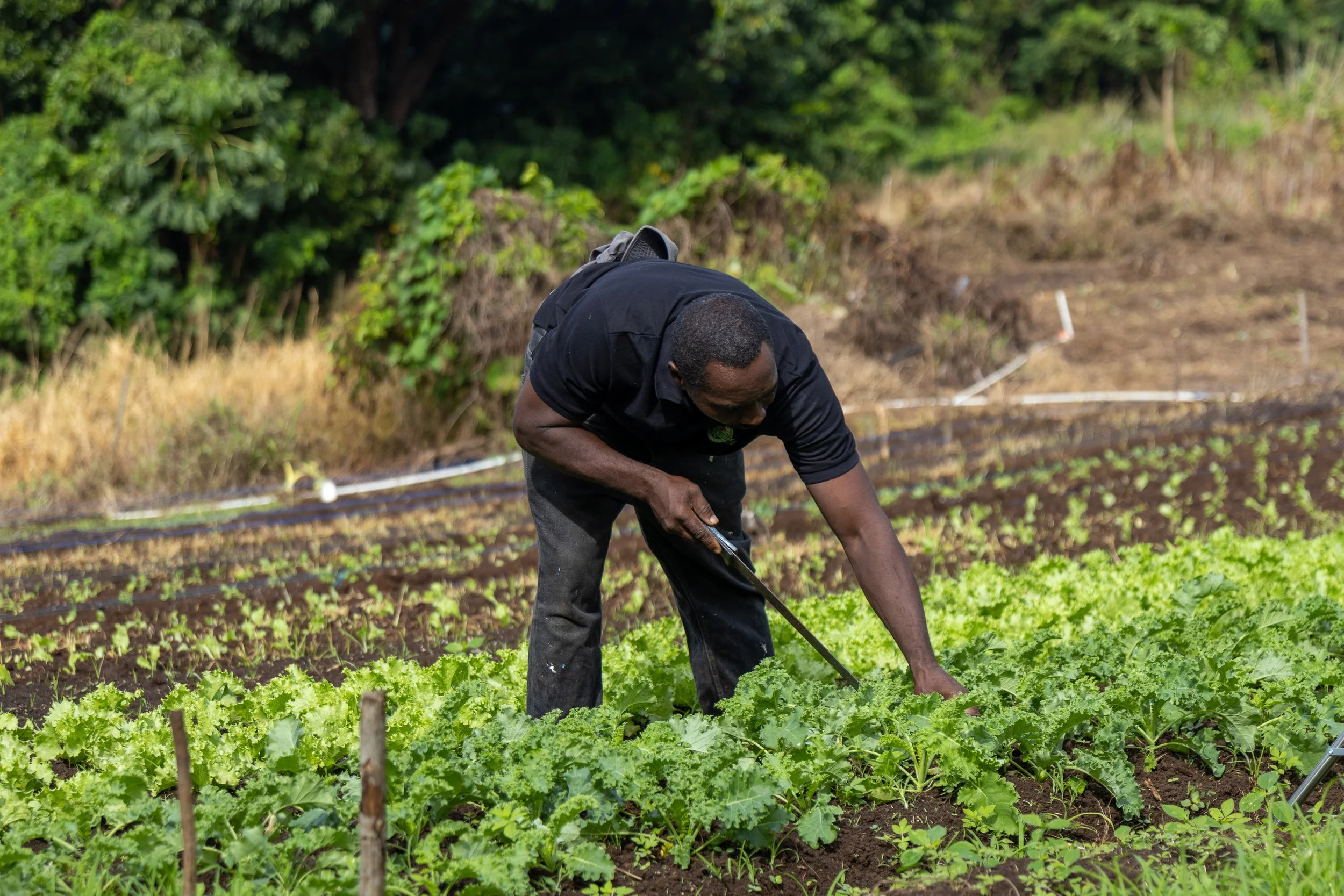
Yves is not a hobby farmer. He operates one of the island’s productive vegetable farms, supplying: supermarkets, vendors, restaurants across Portsmouth and Roseau and direct consumers.
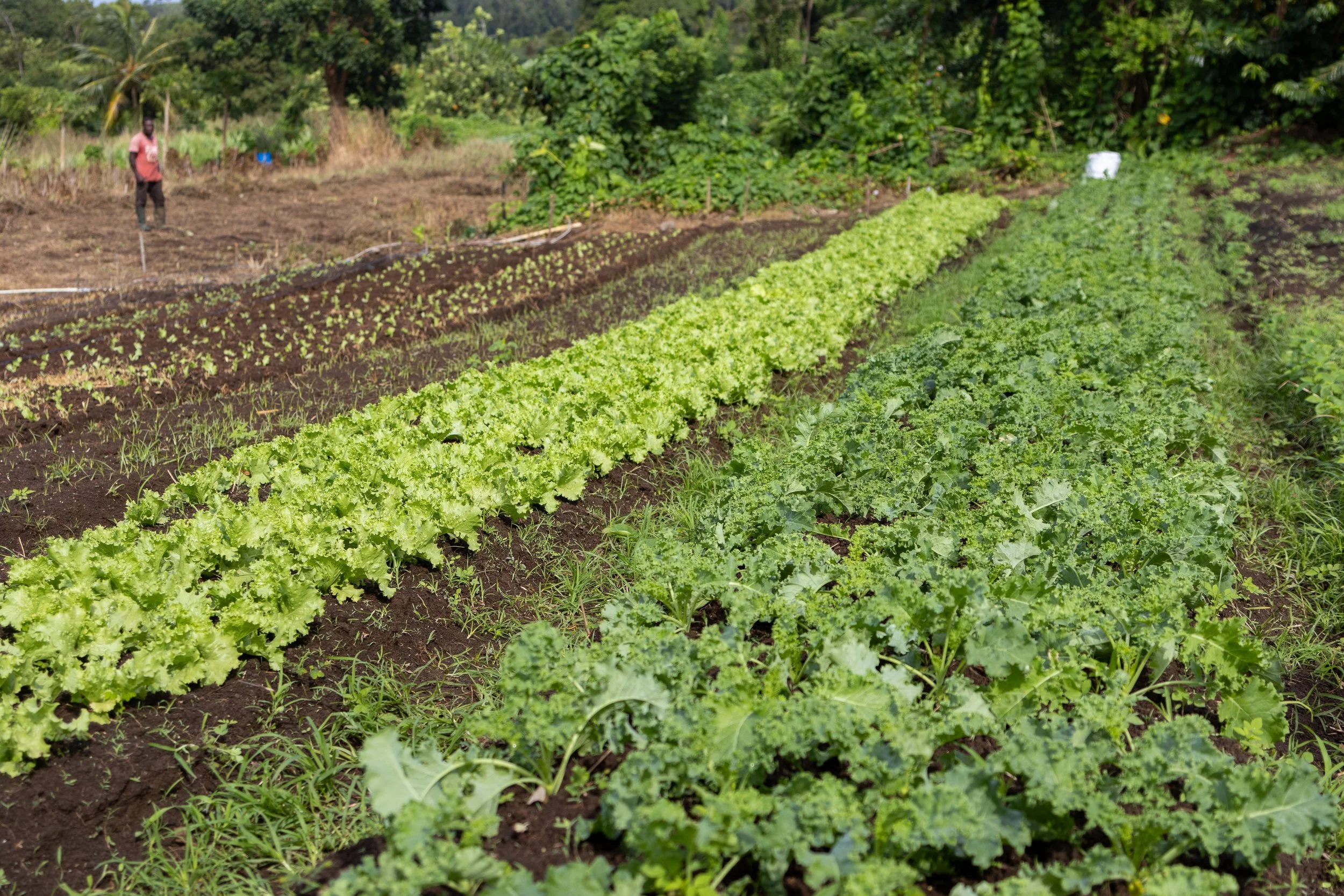
He cultivates everything from lettuce to kale, carrots, cucumbers, cabbage, peppers, and herbs. He has never struggled for a market; the demand for local, fresh produce is always high. His challenge is something else entirely:
“I was the only person working on this farm for a while,” he says. “I have land. I have water. I have fertile soil. I have the knowledge and the willingness to produce. But I need labourers.”
Dominica is facing an agriculture labour shortage that threatens national production. Yves describes it plainly: without workers, farms cannot expand, and without expansion, Dominica will continue to rely heavily on imported vegetables—even though its own soil is rich and capable.
This is where labour migration becomes vital.
For decades, Dominica has benefited from the skills, energy, and agricultural expertise of migrant communities, especially Haitian farm workers. Their role in sustaining food production is not supplemental—it is foundational.
Migrants like Yves demonstrate how labour mobility strengthens rural economies. They don’t just fill labour gaps; they innovate, create markets, improve quality standards, and introduce new practices.
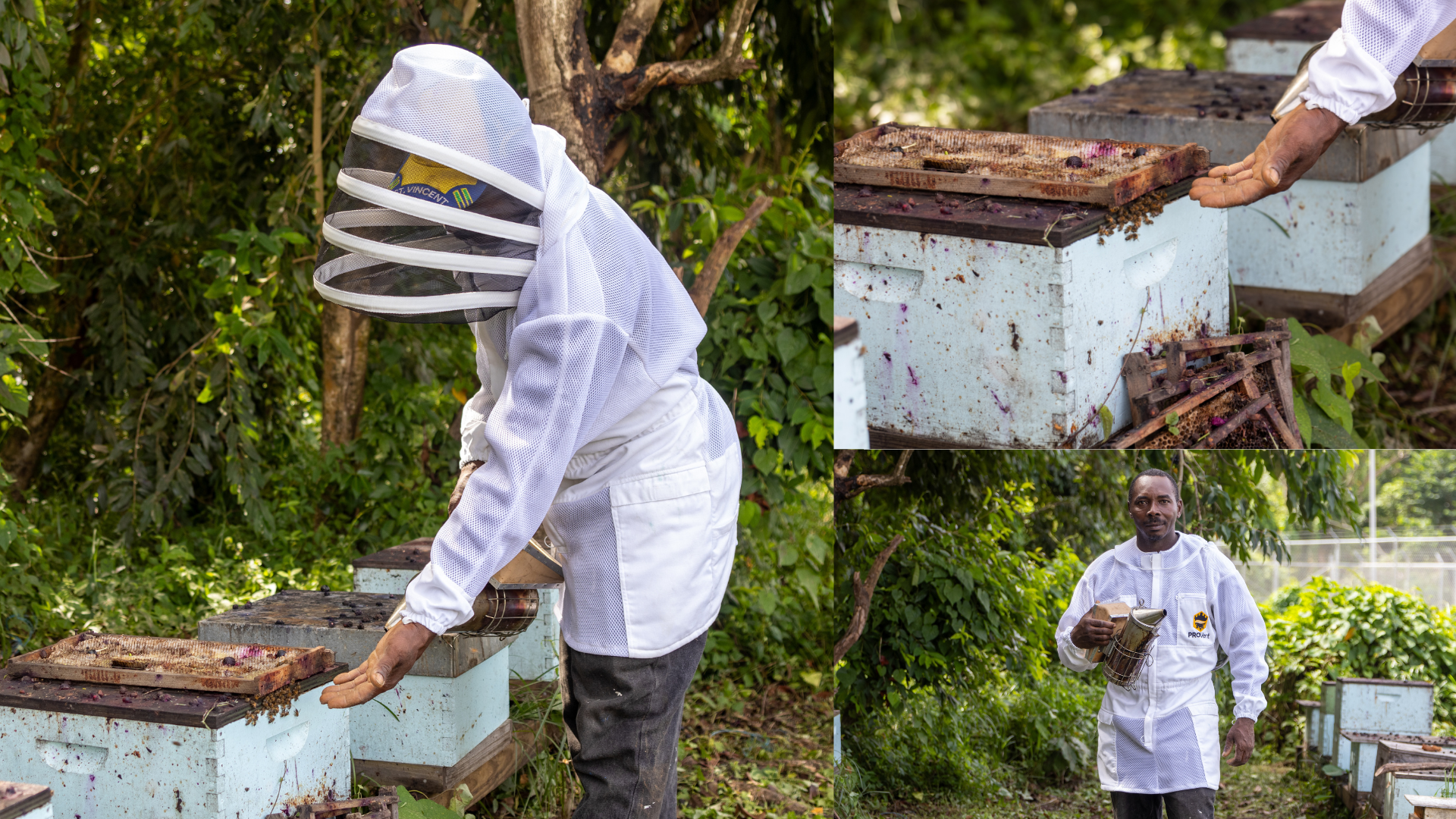
Beyond vegetables, Yves is a proud beekeeper. And in Dominica, that matters.
“Bees are life,” he says. “If we do not have bees, we will die.”
His bees improve farm productivity through pollination and support an emerging agro-processing sector. Dominica’s honey has been recognized among the best in the world—pure, medicinal, and uniquely flavoured by the island’s biodiversity.
Beekeeping opens the door to: agro-tourism experiences, high-value exports, new natural product lines and rural employment opportunities.
Through his honey production, Yves contributes to a greener, more sustainable economy—the very vision Dominica promotes.
Like many highly skilled migrants, Yves arrived with training that Dominica urgently needs. His agricultural background from Cuba gives him strong technical expertise, and he applies that knowledge daily: from installing his own water supply system to managing soil health, crop rotation, and sustainable apiculture.
Migrants bring skills that complement and strengthen local capacity. They help introduce new techniques, diversify production, and keep rural communities alive.
In Yves’ case, his goal is clear:
“I want to pay someone properly. I want to expand. I want to produce more for Dominica. I just need the labour.”
When migrant and local farmers cannot access the labour they need, the entire supply chain suffers—farmers, vendors, supermarkets, restaurants, and consumers.
And ultimately, Dominica imports what it could have grown.
Behind the vegetables and honey is a human being who simply wanted a life built on love.
He followed his wife. He found peace and safety. He embraced a new home that embraced him back. And in return, he has given Dominica nearly two decades of service as a farmer, a worker, a taxpayer, a community member, and now a Dominican citizen.
Migration is not a threat to development—it is a driver of it. Yves’s story reflects the experiences of thousands across Dominica and the wider Caribbean: people who arrive seeking opportunity and, in doing so, help build economies, strengthen communities, and enrich the social fabric of their new homes.
As Dominica advances its vision for a Blue and Green Economy, the role of labour migration can no longer sit at the margins. It must be part of the strategy. This is why the creation of a central hub and multi-platform awareness campaign—focused on agriculture and labour migration—is both timely and necessary. For farmers like Yves, it represents connection, visibility, and a pathway to growth.
Such a hub would help:
connect farmers with skilled migrant labour
increase public understanding of migrants’ positive contributions
inspire young people to see agriculture as a viable and respected career
create meaningful collaboration between locals and migrants
support agro-processing, agro-tourism, and innovation
strengthen national food security
This kind of coordination and storytelling is what’s needed to reposition agriculture as a modern, profitable, and essential pillar of Dominica’s sustainable development.
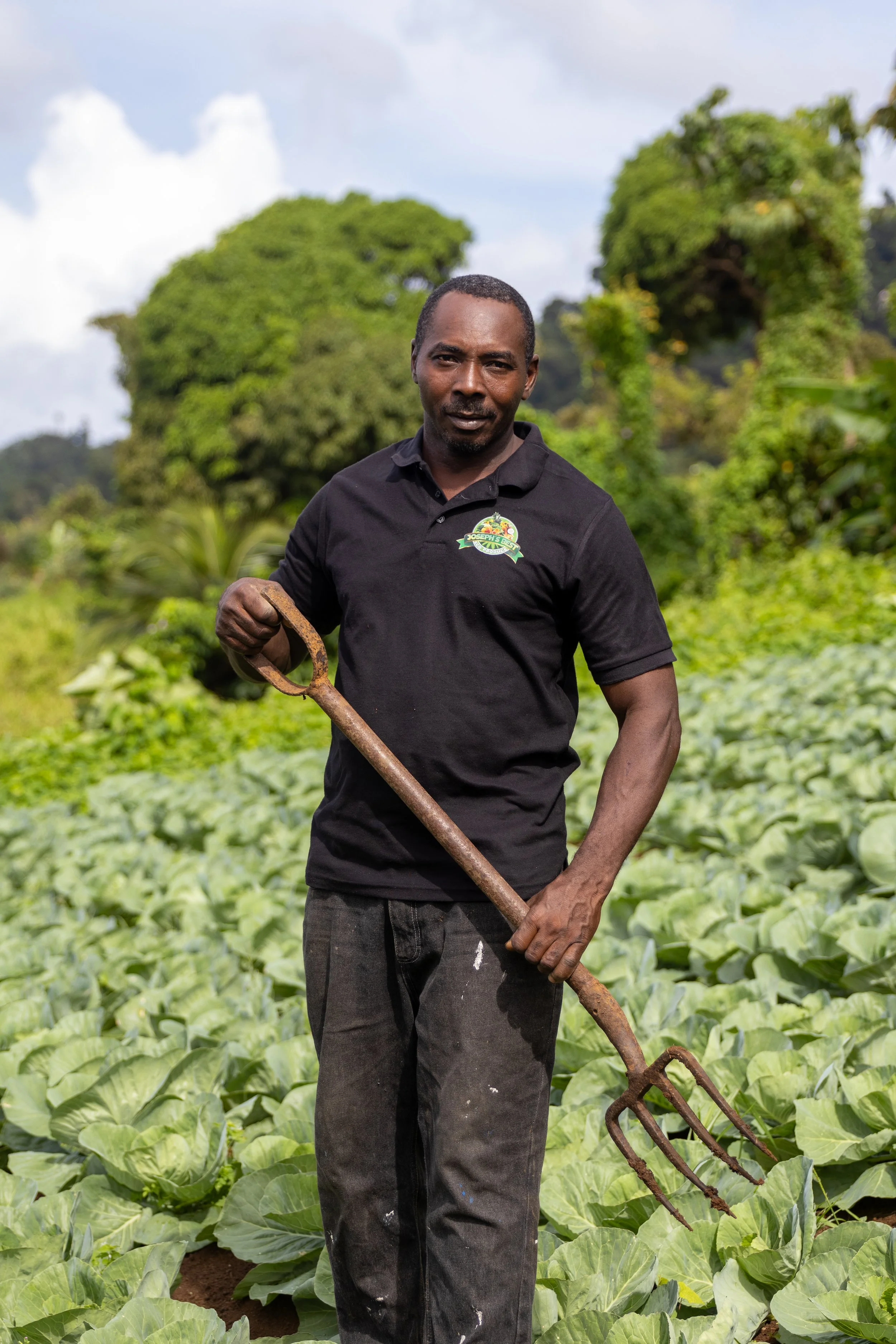
Yves Joseph of Joseph’s Best Eco Produce
On this International Migrants Day, we honour people like Yves Joseph—individuals whose courage, skills, and commitment make Dominica stronger.
His journey shows us what becomes possible when migrants are welcomed, included, and empowered to contribute - a stronger agriculture sector, greater food security, more sustainable production, new entrepreneurial pathways and a thriving Blue and Green Economy.
Migration is not just movement, it is progress.
Yves does not ask for charity. He asks for the chance to produce—to feed Dominica with what Dominica can grow. His story reminds us that labour migration is not a crisis to fix, but an opportunity to strengthen.
When Yves looks out across his fields, he doesn’t see limits, he sees potential: acres of land that could feed families, honey that could fuel agro-tourism, and vegetables that could reduce imports. His farm is more than land; it is a hub of hope, proving that migration is not a burden, but the bloom Dominica needs to thrive.
All he needs are more hands. And in that simple truth lies the bigger message: migrants don’t just arrive in a country, they help nurture it. If we want a future with healthier food, thriving farms, and real progress in the Blue and Green Economy, we must open the door to the very people ready to build it.