
Kalinago Week 2026 Opens in Salybia, Celebrating Heritage and Resilience
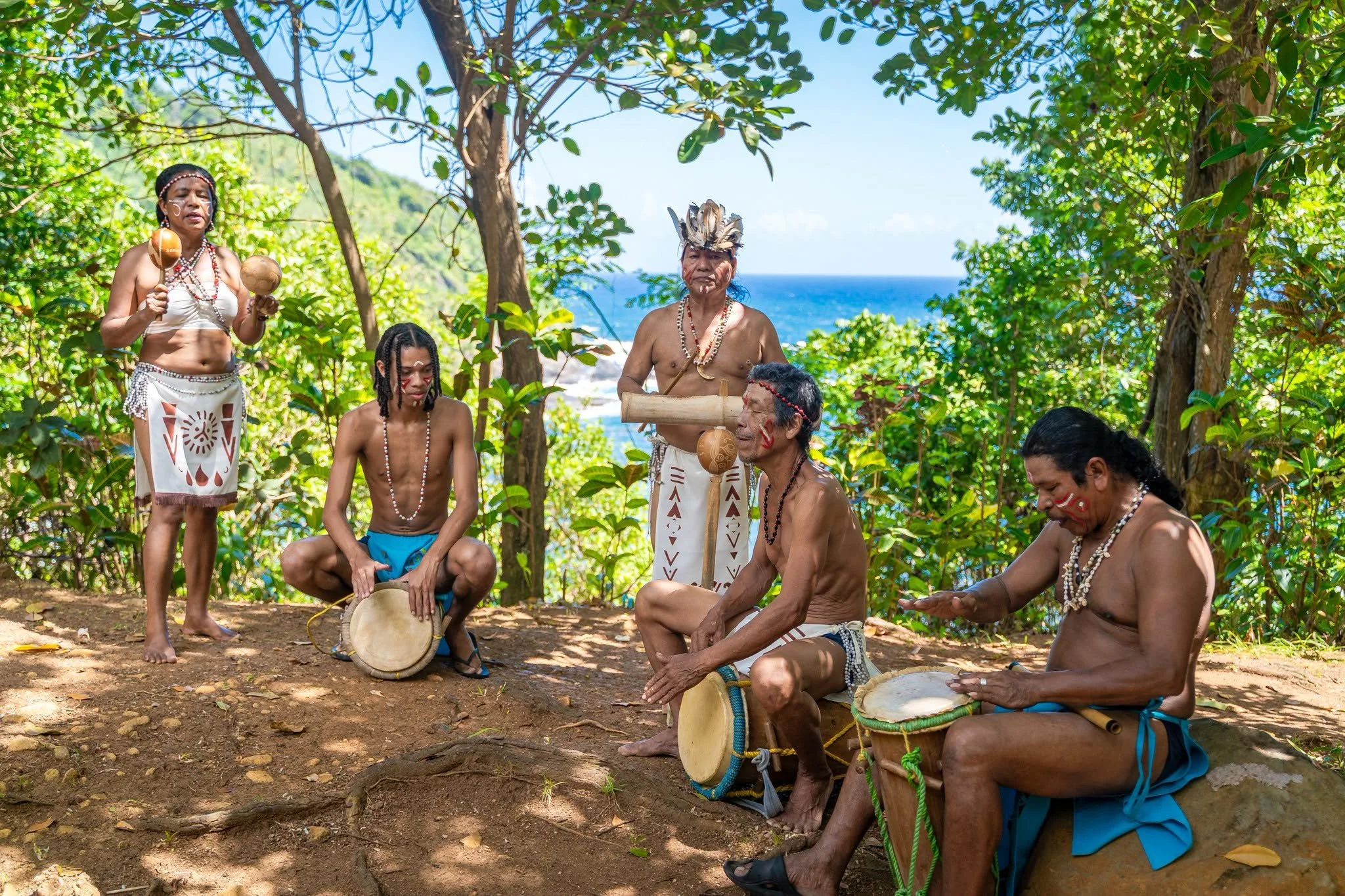
Photo Credit: Discover Dominica Authority
By Semaj Bernard
Kalinago Week 2026 officially got underway on Sunday, September 13, with an exhibition and opening ceremony in Salybia, bringing the community together to celebrate Kalinago heritage, history and identity.
This year's week-long celebration, which runs until Saturday, September 19, is being held under the theme “Honouring Our Past, Celebrating Our Culture, Building Our Future.”
The opening exhibition featured traditional crafts, food, cultural displays and performances, offering visitors an opportunity to experience the creativity and traditions that continue to shape Kalinago life.
Opening the ceremony, Kalinago Chief Anette Sanford reminded those gathered that the origins of Kalinago Week are deeply connected to the community's history of resistance.
“The whole idea of Kalinago Week began with the Karifuna Cultural Group,” Sanford explained, noting that the celebration grew from efforts to honour the resilience of former Kalinago leaders.
She highlighted the 1930 uprising, when Kalinago people resisted colonial efforts to restrict their movement across the sea.
“Our people have always resisted, stood up for who we are as a people,” Sanford said.
Two Kalinago men died and two others were injured during the uprising. Their memory will be honoured during the Memorial and Traditional Smoke Ceremony on Saturday, September 19.
Sanford also connected that history to her ongoing advocacy for greater freedom of movement for Indigenous people throughout the Caribbean.
“The sea was recognized as our international highway,” she said, emphasizing that the sea was historically central to Kalinago travel and trade between the islands.
Keeping Culture Alive
For Sanford, preserving Kalinago culture must begin with the next generation.
“We currently have a duty to continue to preserve our heritage and our culture. We have to continue to teach our children,” she said.
She commended Kalinago Councilor Miranda Langley for bringing drumming, dancing and language into schools and expressed her hope that these elements of Kalinago culture will eventually become part of the formal national curriculum.
Cultural Officer Prosper Paris similarly placed language at the centre of cultural preservation.
“It's like a people without a language,” Paris said, stressing the importance of continuing to teach and learn the Kalinago language.
He described heritage as a journey shared across generations.
“The idea of Kalinago people, Kalinago heritage, Kalinago culture did not start with us. It is a journey we are continuing,” he said.
That continuity was visible throughout the exhibition, where traditional knowledge met contemporary creativity. Basket weaving, food, cultural products and performances showcased traditions passed down through generations while demonstrating how they continue to evolve.
Paris highlighted the modern use of traditional ingredients such as cassava, with community members creating pastries, cakes and other delicacies.
“All this is bringing, using modern technology, using modern language, but not forgetting and respecting the technique and the inspiration and the knowledge of our past,” he said.
A Week of Culture and Community
Kalinago Week 2026 continues throughout the Territory with activities focused on heritage, youth, community, health and sport.
The programme includes Heritage and History Day on Wednesday, featuring Kalinago language, boat making, herbal medicine and other traditional knowledge. The week also includes activities for senior citizens, a community hike, health and food activities, a road race and the Warrior Challenge.
Additional displays will be available at Privo City Mall in Roseau on Thursday and Friday, giving people outside the Territory an opportunity to learn more about Kalinago history and culture.
Paris encouraged everyone to move beyond simply watching the celebrations and become part of them.
“It's not just to come and see. It's a part where you can come and participate in the whole thing,” he said.
A Culture Built on Resilience
Parliamentary Representative for the Salybia Constituency, Hon. Cozier Frederick, described the history of the Kalinago Territory as “a story of resilience.”
Reflecting on the community's history of resistance and survival, Frederick challenged Kalinago people to embrace that strength.
“We have to get away from this idea that we are soft and we are victims because we are warriors,” he said.
“We survive this space. And so we have to step up.”
Chief Sanford's message similarly focused on pride, particularly among young Kalinago people. She reflected on the stigma that once surrounded Kalinago identity and how many children grew up feeling ashamed of their heritage.
Today, she pointed to Kalinago people excelling across professions and encouraged young people to recognize the strength in their identity.
“There is nothing within our reach that we cannot achieve and we cannot do,” she said.
Her final message was simple:
“All our Kalinago people [should] be proud of who you are.”
As Kalinago Week 2026 continues through September 19, Salybia becomes a place where history, culture and the future come together—reminding both the Kalinago community and the wider Dominican public that heritage is not simply something to remember.
It is something to live, celebrate and carry forward.
Kalinago Week 2026 officially got underway on Sunday, September 13, with an exhibition and opening ceremony in Salybia, bringing the community together to celebrate Kalinago heritage, history and identity. This year's week-long celebration, which runs until Saturday, September 19, is being held under the theme “Honouring Our Past, Celebrating Our Culture, Building Our Future.”
The opening exhibition featured traditional crafts, food, cultural displays and performances, offering visitors an opportunity to experience the creativity and traditions that continue to shape Kalinago life. Opening the ceremony, Kalinago Chief Anette Sanford reminded those gathered that the origins of Kalinago Week are deeply connected to the community's history of resistance.
“The whole idea of Kalinago Week began with the Karifuna Cultural Group,” Sanford explained, noting that the celebration grew from efforts to honour the resilience of former Kalinago leaders.
She highlighted the 1930 uprising, when Kalinago people resisted colonial efforts to restrict their movement across the sea.
“Our people have always resisted, stood up for who we are as a people,” Sanford said.
Two Kalinago men died and two others were injured during the uprising. Their memory will be honoured during the Memorial and Traditional Smoke Ceremony on Saturday, September 19. Sanford also connected that history to her ongoing advocacy for greater freedom of movement for Indigenous people throughout the Caribbean.
“The sea was recognized as our international highway,” she said, emphasizing that the sea was historically central to Kalinago travel and trade between the islands.
Keeping Culture Alive
For Sanford, preserving Kalinago culture must begin with the next generation.
“We currently have a duty to continue to preserve our heritage and our culture. We have to continue to teach our children,” she said.
She commended Kalinago Councilor Miranda Langley for bringing drumming, dancing and language into schools and expressed her hope that these elements of Kalinago culture will eventually become part of the formal national curriculum.
Cultural Officer Prosper Paris similarly placed language at the centre of cultural preservation.
“It's like a people without a language,” Paris said, stressing the importance of continuing to teach and learn the Kalinago language.
He described heritage as a journey shared across generations.
“The idea of Kalinago people, Kalinago heritage, Kalinago culture did not start with us. It is a journey we are continuing,” he said.
That continuity was visible throughout the exhibition, where traditional knowledge met contemporary creativity. Basket weaving, food, cultural products and performances showcased traditions passed down through generations while demonstrating how they continue to evolve.
Paris highlighted the modern use of traditional ingredients such as cassava, with community members creating pastries, cakes and other delicacies.
“All this is bringing, using modern technology, using modern language, but not forgetting and respecting the technique and the inspiration and the knowledge of our past,” he said.
A Week of Culture and Community
Kalinago Week 2026 continues throughout the Territory with activities focused on heritage, youth, community, health and sport.
The programme includes Heritage and History Day on Wednesday, featuring Kalinago language, boat making, herbal medicine and other traditional knowledge. The week also includes activities for senior citizens, a community hike, health and food activities, a road race and the Warrior Challenge.
Additional displays will be available at Prevo City Mall in Roseau on Thursday and Friday, giving people outside the Territory an opportunity to learn more about Kalinago history and culture.
Paris encouraged everyone to move beyond simply watching the celebrations and become part of them.
“It's not just to come and see. It's a part where you can come and participate in the whole thing,” he said.
A Culture Built on Resilience
Parliamentary Representative for the Salybia Constituency, Hon. Cozier Frederick, described the history of the Kalinago Territory as “a story of resilience.”
Reflecting on the community's history of resistance and survival, Frederick challenged Kalinago people to embrace that strength.
“We have to get away from this idea that we are soft and we are victims because we are warriors,” he said.
“We survive this space. And so we have to step up.”
Chief Sanford's message similarly focused on pride, particularly among young Kalinago people. She reflected on the stigma that once surrounded Kalinago identity and how many children grew up feeling ashamed of their heritage.
Today, she pointed to Kalinago people excelling across professions and encouraged young people to recognize the strength in their identity.
“There is nothing within our reach that we cannot achieve and we cannot do,” she said.
Her final message was simple:
“All our Kalinago people [should] be proud of who you are.”
As Kalinago Week 2026 continues through September 19, Salybia becomes a place where history, culture and the future come together—reminding both the Kalinago community and the wider Dominican public that heritage is not simply something to remember.
It is something to live, celebrate and carry forward.