
OP-ED: What If We Stopped Calling it Dominica?
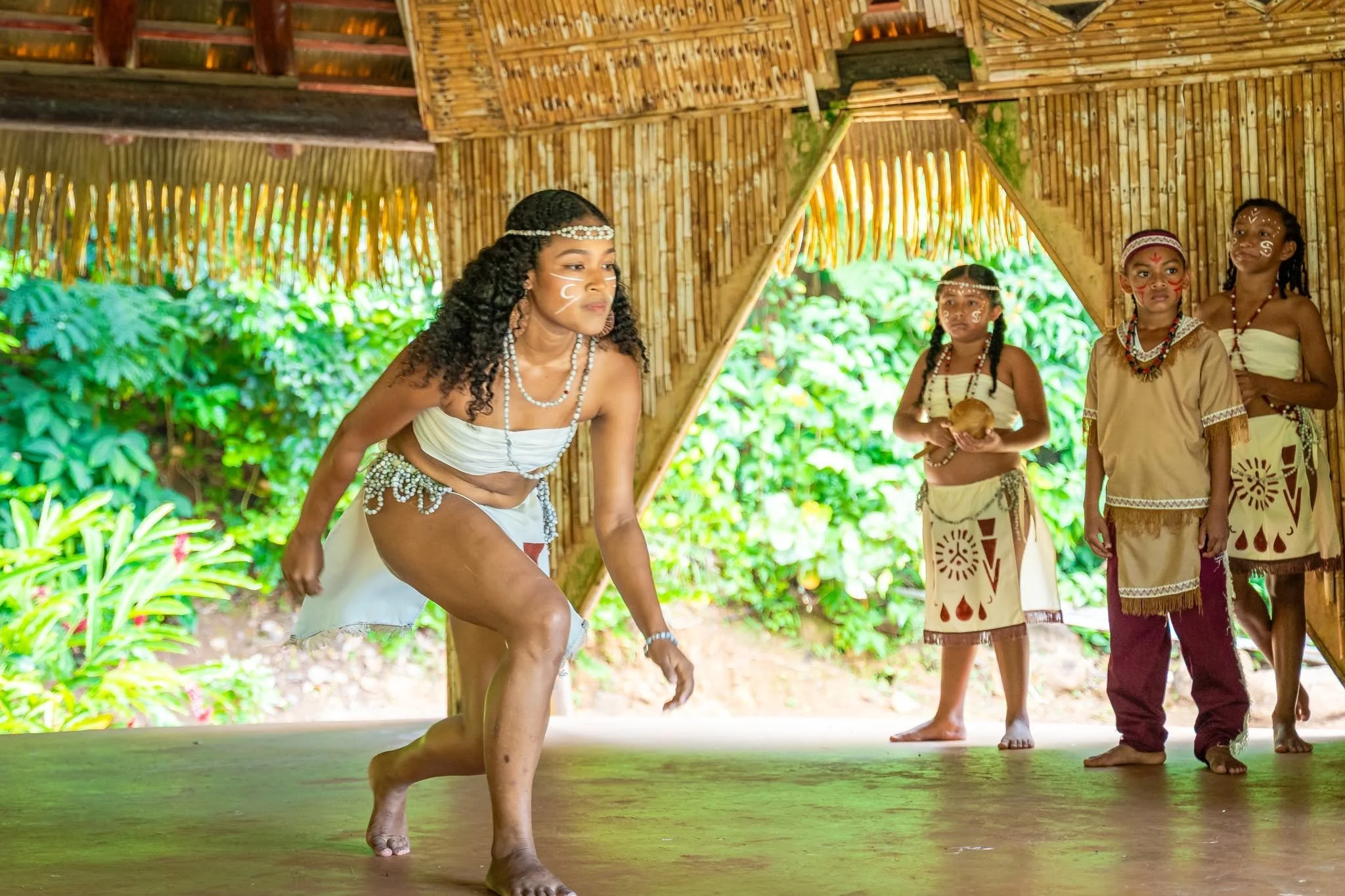
Photo Credit: Discover Dominica Authority
By Jael Joseph
A small island in the Pacific has started a conversation that perhaps we in the Caribbean should have been having a long time ago.
Nauru is reclaiming Naoero, its Indigenous name.
In explaining the move, President David Adeang said that “Nauru” emerged because foreign tongues could not properly pronounce Naoero. The name changed, essentially, for the convenience of outsiders. In 2026, the country began the constitutional process of bringing its name “home” framing it not simply as a name change, but as an act of dignity, heritage and identity.
And it made me think immediately about us.
Dominica.
Not the Dominican Republic.
Dominica.
If you are Dominican, particularly if you travel, work internationally or create content for audiences outside the Caribbean, chances are you have had to explain the difference.
“No, not the Dominican Republic.”
“Dominica. The small island.”
“Dom-in-EE-ca.”
We laugh about it. We correct people. We have become accustomed to explaining ourselves.
But perhaps the bigger question is: why are we still carrying a European name in the first place?
The name Dominica dates back to Christopher Columbus, who encountered the island on a Sunday in November 1493 and called it Dominica, after the Latin dies Dominica — the Lord's Day.
But there was already a people here.
And this island already had an identity.
Wai’tukubuli.
The name commonly associated with the Kalinago people and our island long before European colonization.
That matters, particularly in Dominica.
Because unlike many Caribbean societies where Indigenous populations were almost entirely displaced or destroyed during colonization, Dominica remains home to a vibrant Kalinago community. The Kalinago Territory is not some historical exhibit or footnote in a tourism brochure. It is a living community with its own leadership, traditions, knowledge, artists, farmers, families and cultural identity.
Dominica's history also makes the conversation particularly compelling. Our rugged terrain and fierce Indigenous resistance made European control of the island extraordinarily difficult. Dominica was among the Caribbean islands where Kalinago resistance endured longest.
So imagine the significance of a modern Caribbean nation saying:
We survived. Our Indigenous people survived. And now our Indigenous name will survive too.
There is also a practical argument.
Dominica has spent decades trying to distinguish itself globally from the Dominican Republic. Search for Dominica online and confusion is never far away. Tell someone abroad that you are Dominican and, very often, they assume you mean the Dominican Republic.
We have invested heavily in building an international tourism identity around The Nature Island.
Yet imagine the branding possibilities of Wai'tukubuli - The Nature Island of the Caribbean.
Distinct.
Indigenous.
Immediately ours.
A name that invites a question rather than creates confusion.
“What does Wai'tukubuli mean?”
And suddenly, instead of explaining what we are not, we get to explain who we are.
That is powerful.
Of course, changing the name of a country is not as simple as changing a Facebook handle.
There would be constitutional, diplomatic, financial and administrative implications. Passports, legislation, international agreements, maps, government institutions, country codes, tourism branding and countless other systems could be affected.
And, more importantly, this cannot simply be a clever tourism campaign.
If Dominica were ever to seriously consider reclaiming an Indigenous name, the conversation would have to begin with the Kalinago people themselves. Questions surrounding the historically appropriate name, spelling, meaning and cultural authority cannot be decided by politicians, marketers or commentators.
It would also require a national conversation.
Because decolonization cannot mean replacing one imposed identity with another.
But perhaps the conversation itself is overdue.
Across our region, so many of the names we say with national pride are names inherited from European conquest — names given to lands where people already lived, spoke languages, named rivers, climbed mountains, raised children and understood these places long before a European ship appeared on the horizon.
We have achieved political independence.
We fly our own flags.
We sing our own anthems.
We celebrate our Creole and Indigenous heritage.
But we rarely question the names written across the top of the map.
Naoero is forcing us to ask something uncomfortable:
When does independence move beyond changing the flag and begin changing the language through which we understand ourselves?
I am not suggesting that tomorrow morning we wake up and erase the word Dominica.
I am suggesting that perhaps, after more than 500 years of carrying a name given to this island by Christopher Columbus, we are mature enough as a nation to at least have the conversation.
What would it mean to reclaim a name rooted in the people who were here before colonization?
What would it mean for a new generation of Kalinago children to open an atlas and see an Indigenous name identifying their country?
What would it mean for the rest of us?
Maybe nothing.
Or maybe everything.
Because names are not just words.
Names tell the world who has the power to name you.
And perhaps the next chapter of Caribbean independence is deciding that the power belongs to us.
